Partnership with Indigenous Miners
Our partnerships with Indigenous miners and communities are grounded in a deep respect for Treaty rights, including the understanding that all mineral development in Manitoba occurs on the traditional territories of First Nations, Inuit, and Métis peoples, and within regions covered by historic Treaties such as Treaty 1, Treaty 2, Treaty 3, Treaty 4, Treaty 5, Treaty 6, and Treaty 10, depending on the project’s geographic location. We recognize that these Treaties form the legal and ethical foundation for shared use of the land and affirm enduring rights to land, resources, governance, and cultural continuity. Guided by Section 35 of the Constitution Act, 1982, Manitoba’s frameworks for Crown‑Indigenous consultation, and federal commitments under the United Nations Declaration on the Rights of Indigenous Peoples (UNDRIP)—including principles of Free, Prior and Informed Consent (FPIC)—we work collaboratively with Treaty partners to ensure that mineral exploration and development supports community‑defined priorities, protects inherent rights, and advances long‑term economic reconciliation. Through early engagement, transparent information‑sharing, joint planning, and benefit‑focused agreements, we strive to create fair, durable, and mutually beneficial partnerships that honour Treaties as living, ongoing commitments between Nations.
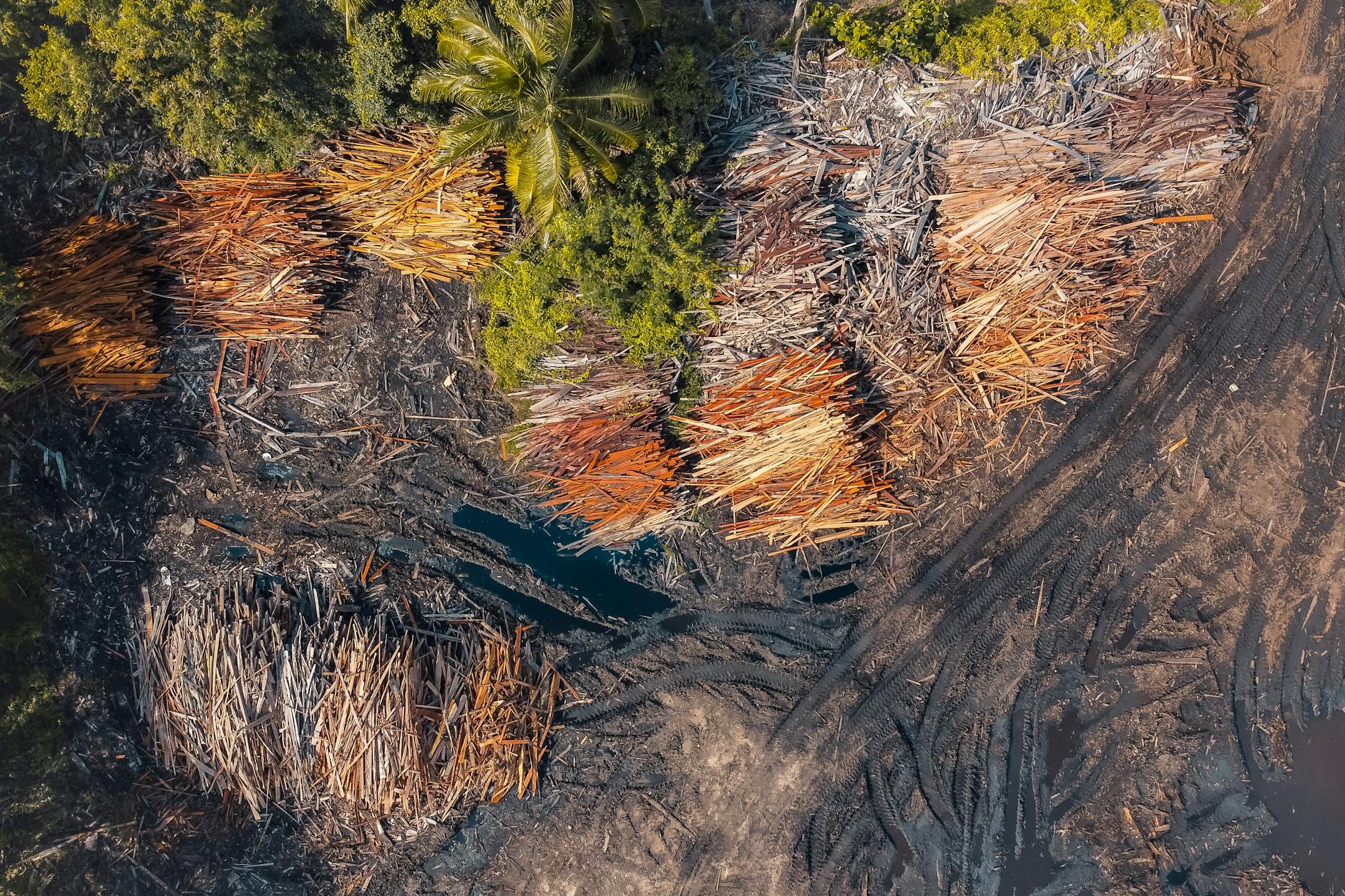
Integrating Indigenous Multiple Ways of Knowing Into Our Mining and Closure Practices
Our approach to mineral development recognizes that Indigenous Nations hold deep, place‑based knowledge systems that have guided land stewardship, resource use, and environmental understanding for thousands of years. These Multiple Ways of Knowing—including traditional ecological knowledge, oral histories, land‑based observation, cultural teachings, seasonal knowledge, and community‑led governance—provide essential insight into the long‑term health of lands, waters, wildlife, and ecosystems. We believe these knowledge systems are not parallel to Western science; they are equal, complementary, and necessary for responsible mining and for building trust with Indigenous communities.
How We Integrate Indigenous Knowledge Into Mining & Exploration
We work with Elders, Knowledge Keepers, land users, Indigenous environmental monitors, and community experts from the earliest stages of planning through to operations and closure. Their knowledge directly informs:
• Exploration Planning
Indigenous Knowledge about landforms, water pathways, wildlife movement, plant harvesting sites, and cultural use areas guides project siting, baseline studies, and risk screening. This ensures exploration programs avoid sensitive areas and respect cultural values from the outset.
• Environmental Baseline Studies
Community land users contribute seasonal knowledge on hydrology, climate patterns, wildlife changes, and cumulative effects. Their long‑term observations reveal trends often missed by short‑term scientific datasets, strengthening predictive models and impact assessments.
• Impact Assessment & Community Decision‑Making
Indigenous perspectives help frame impact pathways that western technical studies may under‑represent—such as cultural continuity, food security, spiritual sites, traditional activities, and intergenerational well‑being. This leads to more comprehensive, culturally relevant impact evaluations.
• Operational Monitoring
Indigenous guardians and environmental monitors participate in on‑the‑ground monitoring of water quality, wildlife, vegetation, dust, noise, and land disturbance. Their land‑based methods, storytelling, and observational knowledge enrich technical monitoring data and support transparent community oversight.
How Indigenous Knowledge Strengthens Our Mine Closure & Progressive Reclamation Planning
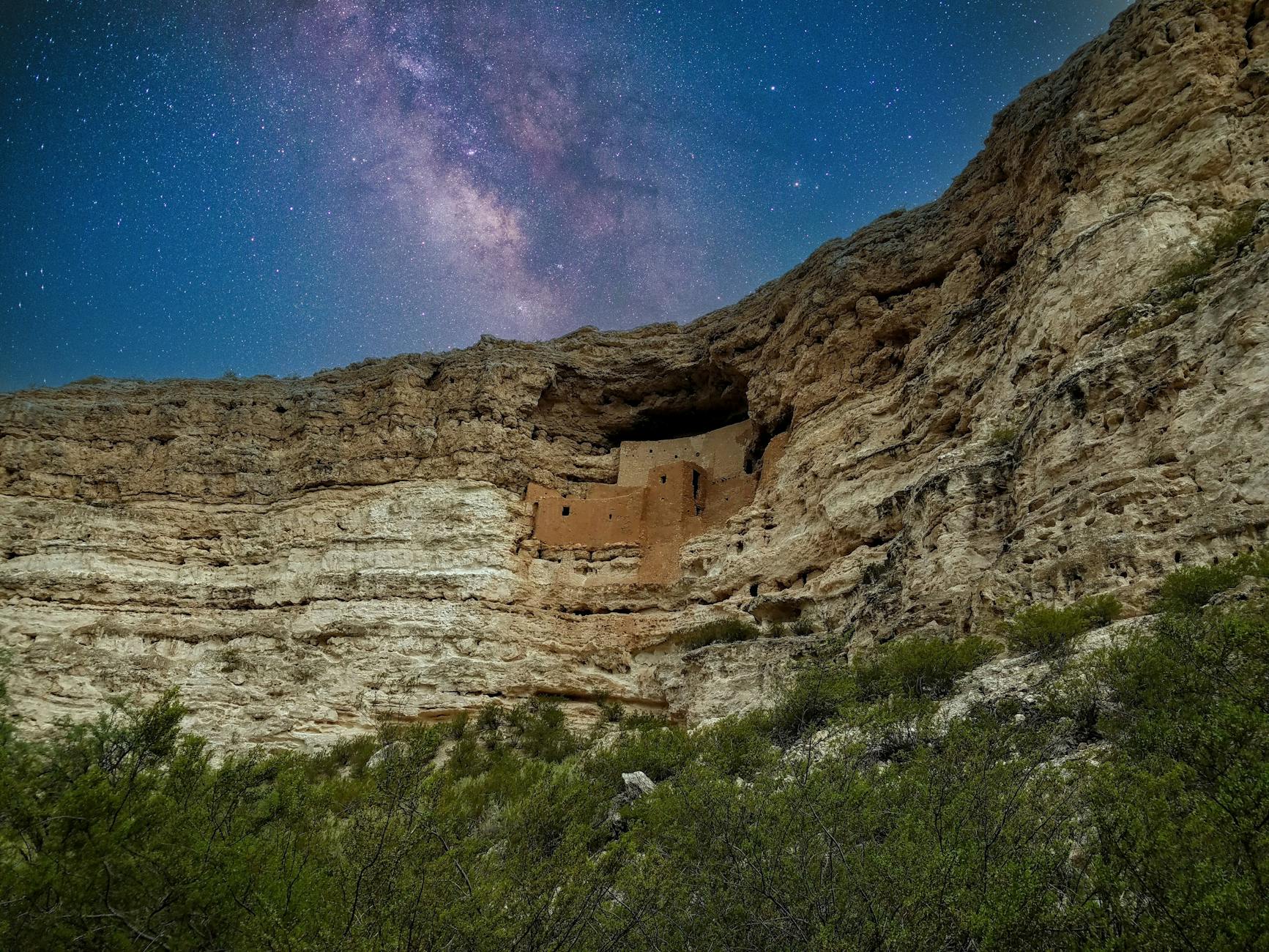
Mine closure is not simply a technical exercise—it is a cultural, environmental, and generational responsibility. Indigenous guidance is integral to designing closure plans that support long‑term land healing, community goals, and Treaty‑based relationships.
• Reclamation Guided by Indigenous Land‑Use Values
We integrate Indigenous knowledge to select plant species for revegetation, restore wildlife habitats, protect culturally significant areas, and re‑establish the ecological functions communities depend on.
• Progressive Closure with Community Co‑Design
Progressive closure strategies are developed collaboratively to ensure reclamation begins early in a mine’s life, supporting the land’s healing and creating local employment and training opportunities rooted in stewardship practices.
• Incorporating Traditional Indicators of Land Health
In addition to technical closure metrics, we include Indigenous indicators such as:
- return of culturally important species
- water and ice behavior changes
- soil and plant health observed through land‑based techniques
- community perceptions of safety, accessibility, and usability
These indicators ensure closure success reflects community-defined values, not just engineering standards.
• Long‑Term Monitoring and Guardianship
Post‑closure monitoring includes community‑led programs that reflect cultural protocols and traditional stewardship roles. This strengthens long‑term accountability and ensures the land is restored in a way future generations can rely upon.
A Shared Approach to Land Stewardship
By integrating Indigenous Multiple Ways of Knowing with western geoscience, engineering, hydrology, and environmental modelling, we create mining and closure solutions that are technically strong, culturally respectful, and ecologically resilient. This blended approach supports:
- Stronger environmental performance
- Reduced long‑term risk and uncertainty
- Improved trust and transparency
- Mining projects aligned with community values and Treaty relationships
Our commitment is to walk alongside Indigenous partners, honouring their knowledge and leadership as we work together to protect the land, support responsible development, and ensure that mining benefits continue long after operations cease.
 SHIGRIH RESOURCES LTD